
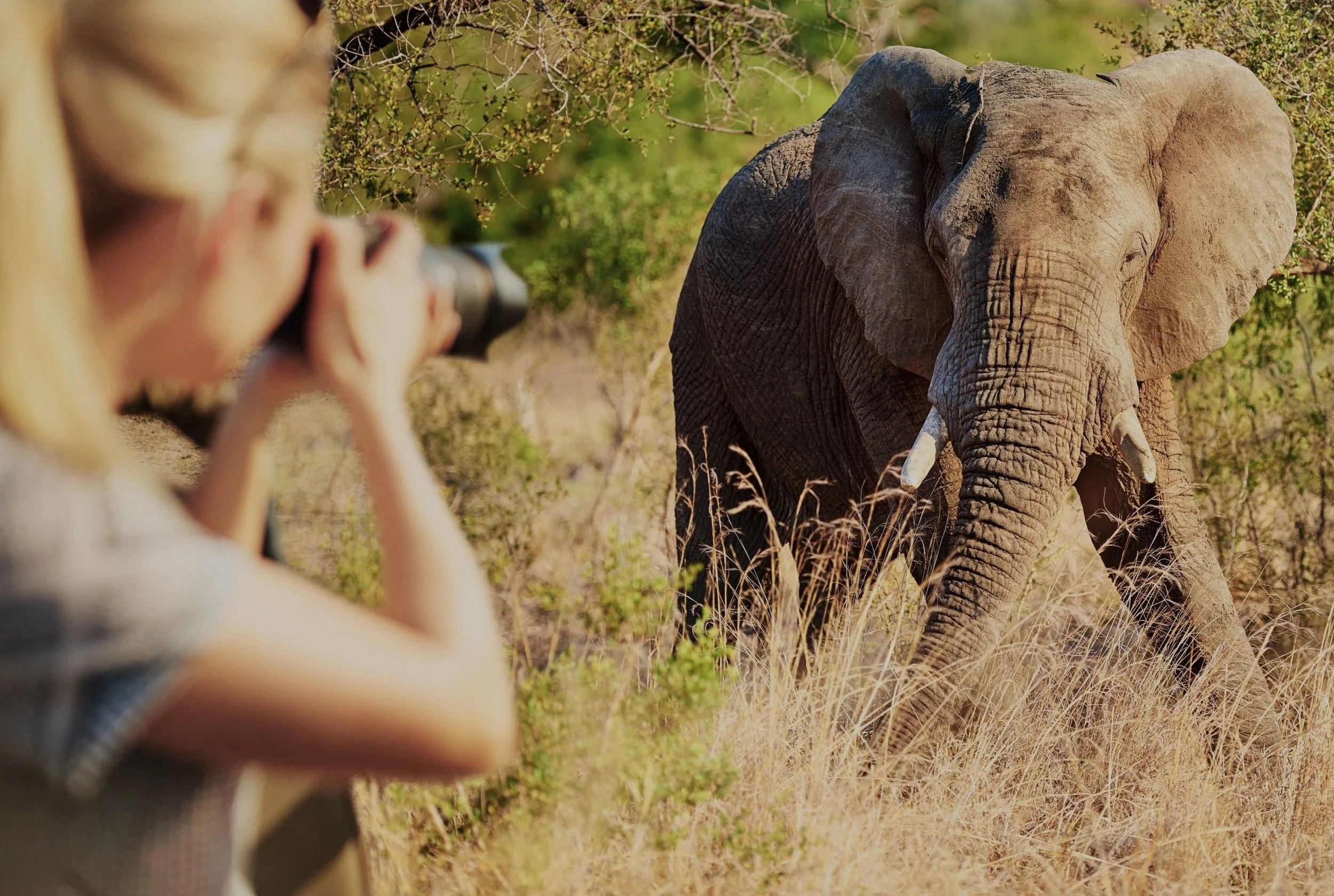
Fello Private Travel creates exceptional tailor made itineraries for specialist wildlife and safari travel.
For travellers inspired by the natural world, wildlife and safari travel offers some of the most powerful and enriching experiences available anywhere on the planet.
These journeys are defined by meaningful encounters with nature, guided by experts who bring landscapes and wildlife to life in ways that are immersive, responsible, and deeply rewarding.
From classic safaris across Africa’s great plains and private conservancies, to exploring the Amazon rainforest by river and lodge, venturing to the Galápagos Islands for rare and endemic species, seeing Tigers on the Indian Subcontinent or journeying into polar regions to witness glaciers, whales, and bears in vast, pristine environments, the scope of wildlife travel is truly global.
Throughout these experiences, carefully chosen lodges, expedition vessels, and camps combine comfort with a strong focus on conservation and sustainability.
Whether tracking animals on land with veteran local rangers, observing marine life beneath the surface alongside dive conservationists or navigating remote wilderness by ship or small aircraft with personal photography experts, wildlife and safari travel offers moments of awe, perspective, and connection that are both unforgettable and profoundly moving.
Wildlife and Safari
F PT recommends
-
African Safari
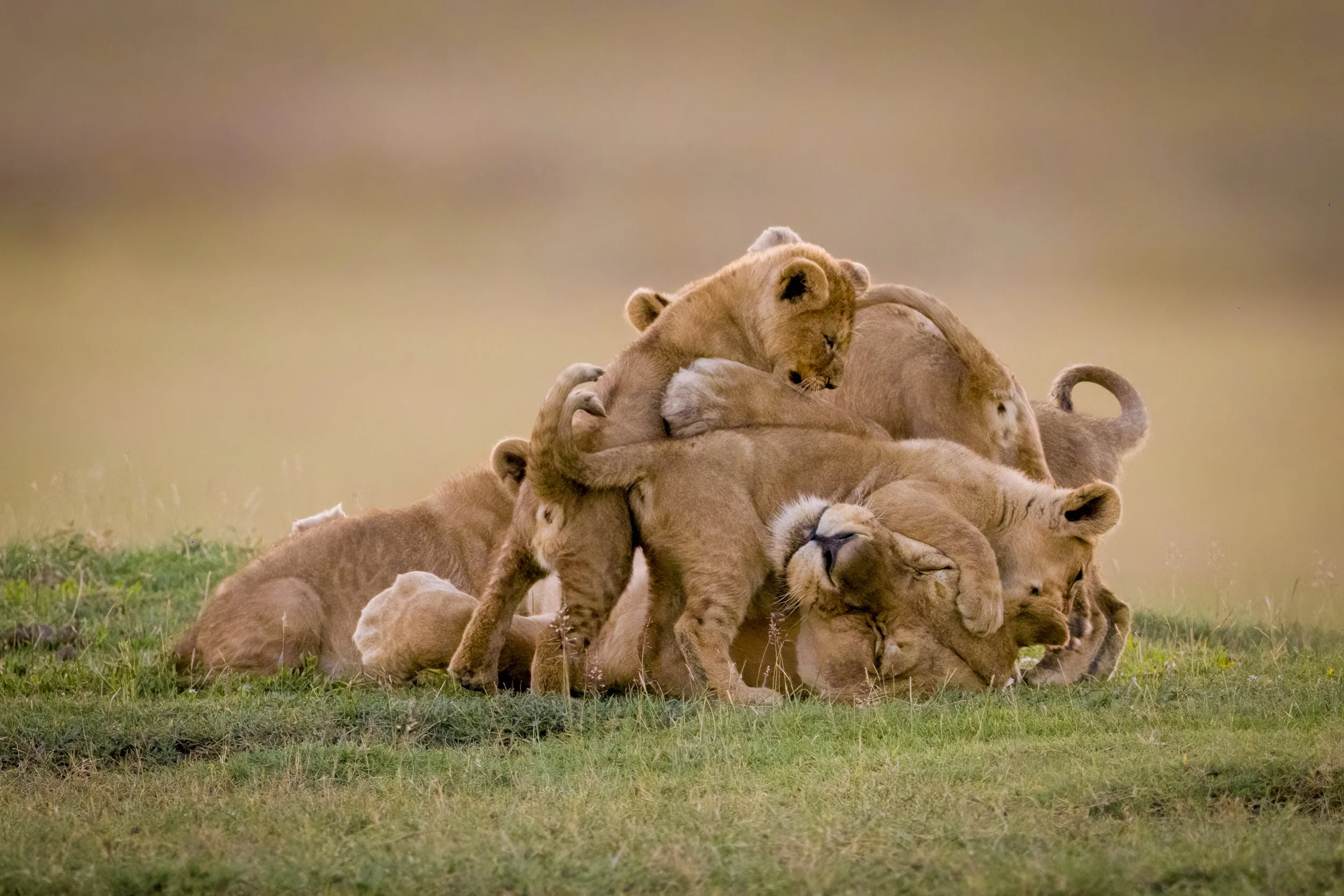
Africa sets the global standard for wildlife travel, offering some of the most iconic safari experiences in the world. Destinations such as Kenya and Tanzania are the heart of classic safari, famed for the Great Migration across the Serengeti and Maasai Mara and for their exceptional concentrations of lions, elephants, leopards, and other iconic species. Vast open landscapes and highly skilled guides create unforgettable wildlife encounters. South Africa complements this with outstanding Big Five viewing in private reserves around Kruger National Park, combined with excellent infrastructure and conservation-led lodges. These destinations and many more options deliver a powerful blend of scale, diversity, and expertise, making them essential for travellers seeking immersive, world-class wildlife experiences. Contact the team to discuss where fits your needs perfectly for a fully bespoke itinerary.
-
Costa Rica
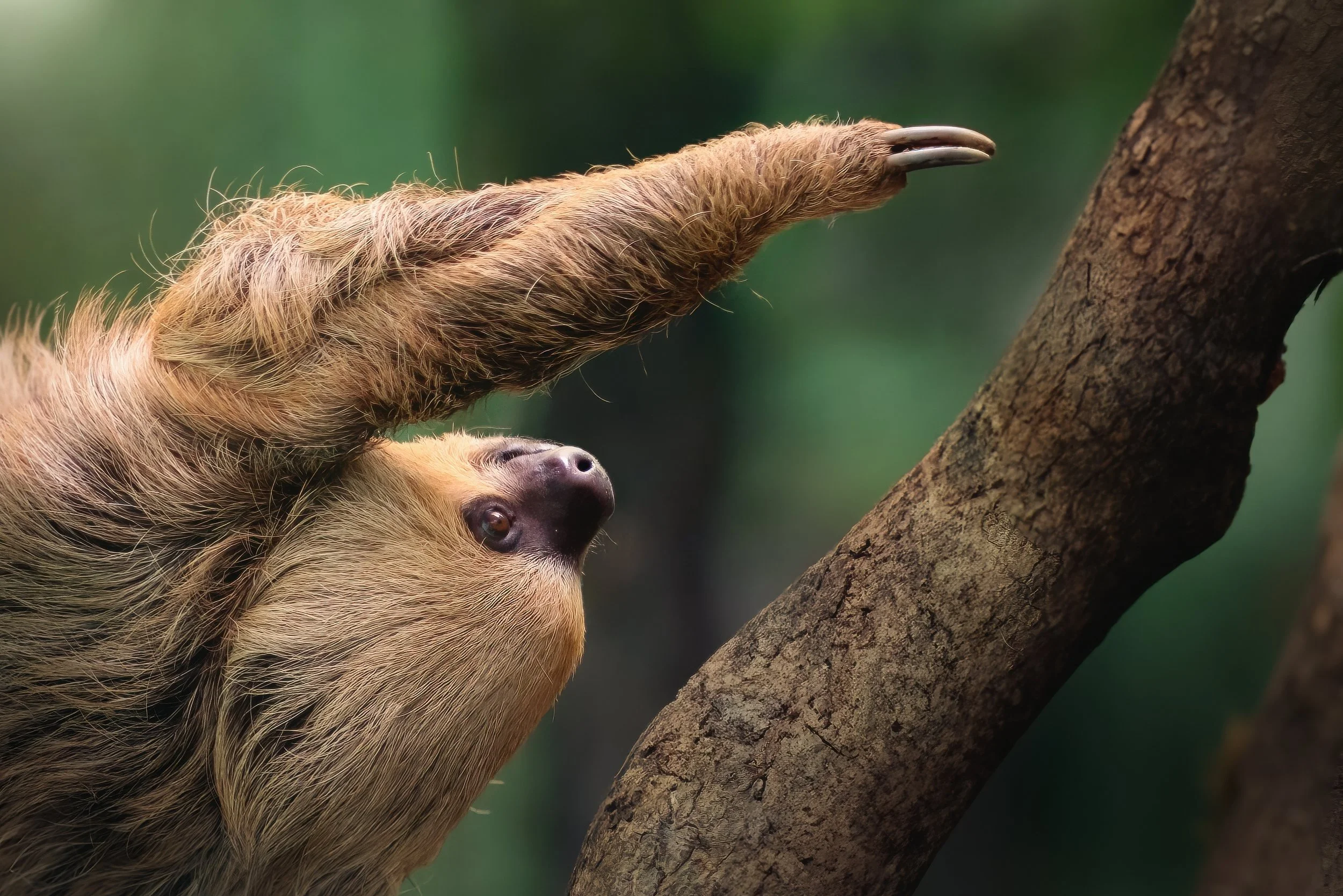
Costa Rica is one of the world’s most important wildlife travel destinations, renowned for its extraordinary biodiversity and pioneering approach to conservation. Despite covering just 0.03 percent of the Earth’s surface, the country is home to more than 5 percent of the world’s biodiversity, an astonishing concentration of life within a compact landscape. Rainforests, cloud forests, volcanoes, wetlands, and two biologically rich coastlines support an abundance of wildlife, including sloths, reptiles, monkeys, toucans, jaguars, amphibians, sea turtles, and vibrant marine species. Over 25 percent of the country is protected through national parks and reserves, making wildlife encounters both frequent and responsibly managed. Guided by expert naturalists and supported by world-class eco-lodges, Costa Rica offers travelers an exceptional balance of accessibility, comfort, and immersive wildlife experiences in one of the most biologically rich regions on earth.
-
Patagonia
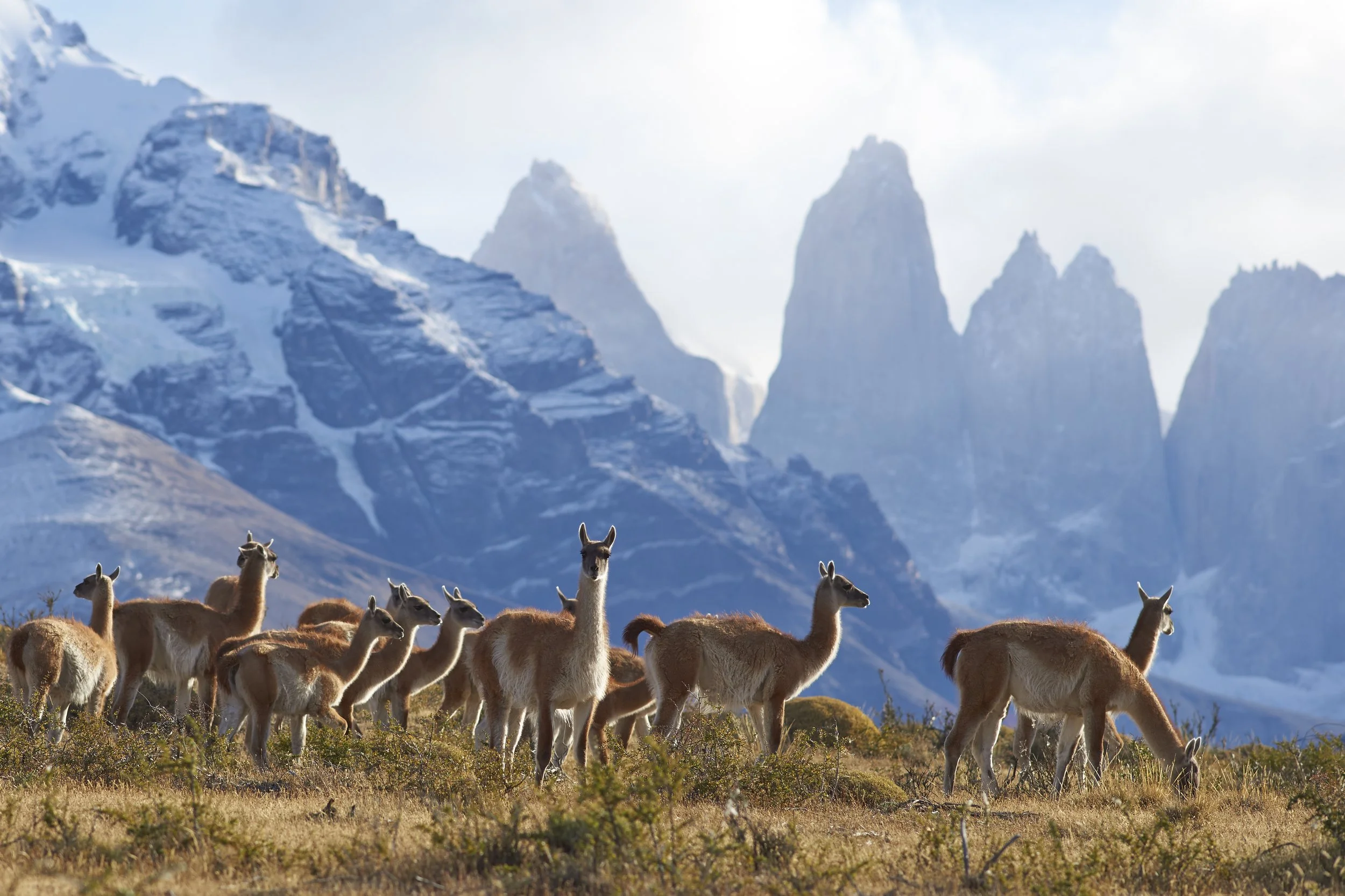
Patagonia is one of the last great wilderness regions on Earth, offering vast, untamed landscapes and exceptional wildlife encounters at the southern edge of South America. Spanning both Chile and Argentina, this remote region is defined by glaciers, windswept plains, jagged peaks, and pristine lakes that provide habitat for iconic species such as pumas, Andean condors, and , guanacos to penguins, whales and sealions along the coast. Protected areas including Torres del Paine and Los Glaciares National Park preserve some of the most dramatic and ecologically intact environments on the planet. Patagonia’s low population density and commitment to conservation create ideal conditions for responsible wildlife viewing, supported by a growing collection of refined lodges and estancias that blend comfort with deep immersion in nature. For travellers seeking raw beauty, meaningful solitude, and wildlife in a truly wild setting, Patagonia delivers an experience of rare scale and authenticity.
-
India
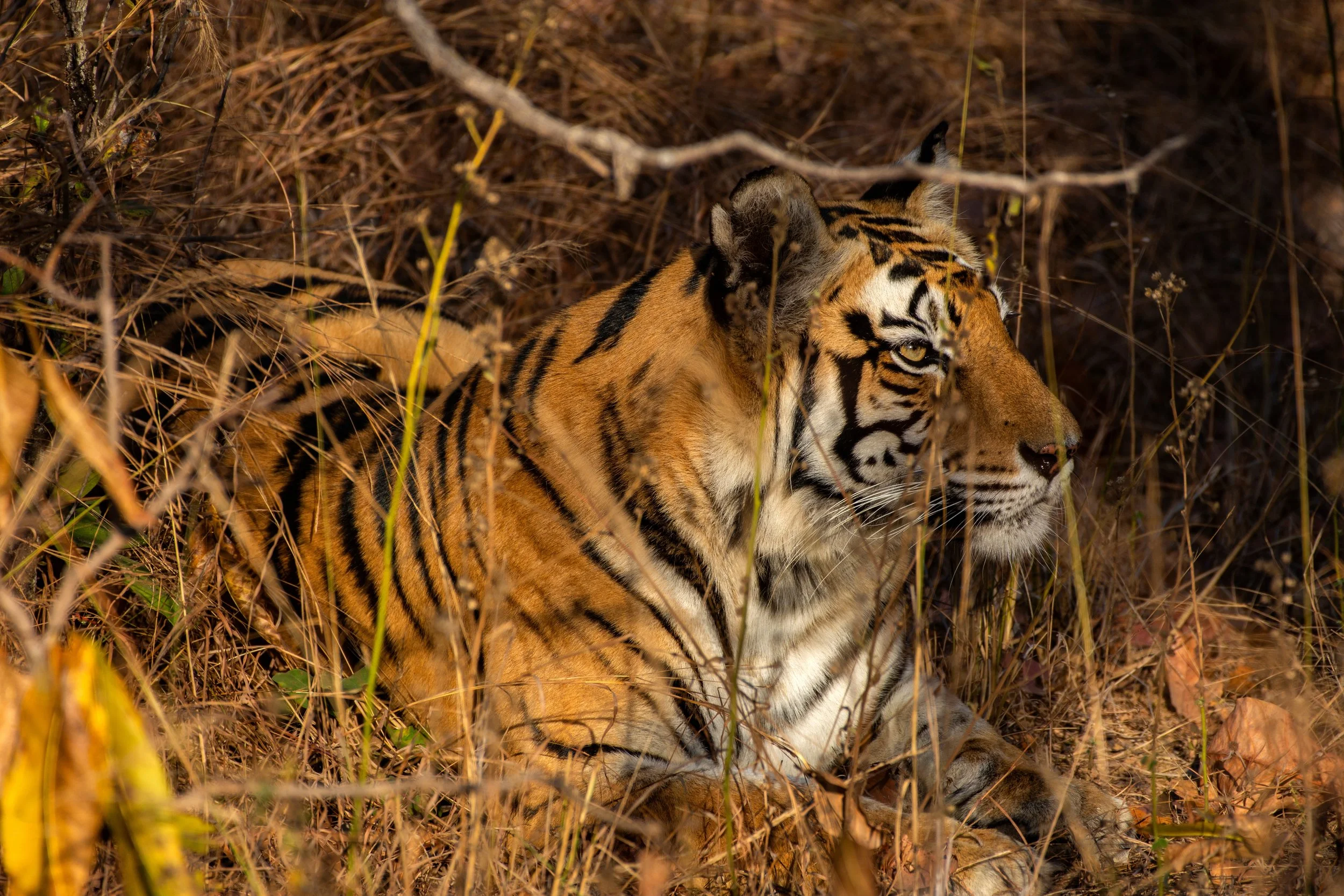
India offers one of the world’s most compelling wildlife travel experiences, shaped by extraordinary biodiversity and deep cultural connection to nature. The country is home to around 70 percent of the world’s remaining wild tigers, with renowned national parks such as Ranthambore, Bandhavgarh, Kanha, and Pench providing some of the best opportunities to encounter this iconic species. Beyond the tiger reserves, Kerala showcases a different side of Indian wildlife, where lush forests, waterways, and protected areas support rich birdlife and significant populations of Asian elephants, often seen in forested landscapes, over the tea hills and along riverbanks. India’s varied ecosystems also sustain leopards, sloth bears, wild dogs, and countless endemic species. Supported by experienced naturalists and a growing collection of refined lodges, wildlife travel in India combines conservation, diversity, and cultural depth, offering a journey that is as meaningful as it is memorable.
-
Borneo
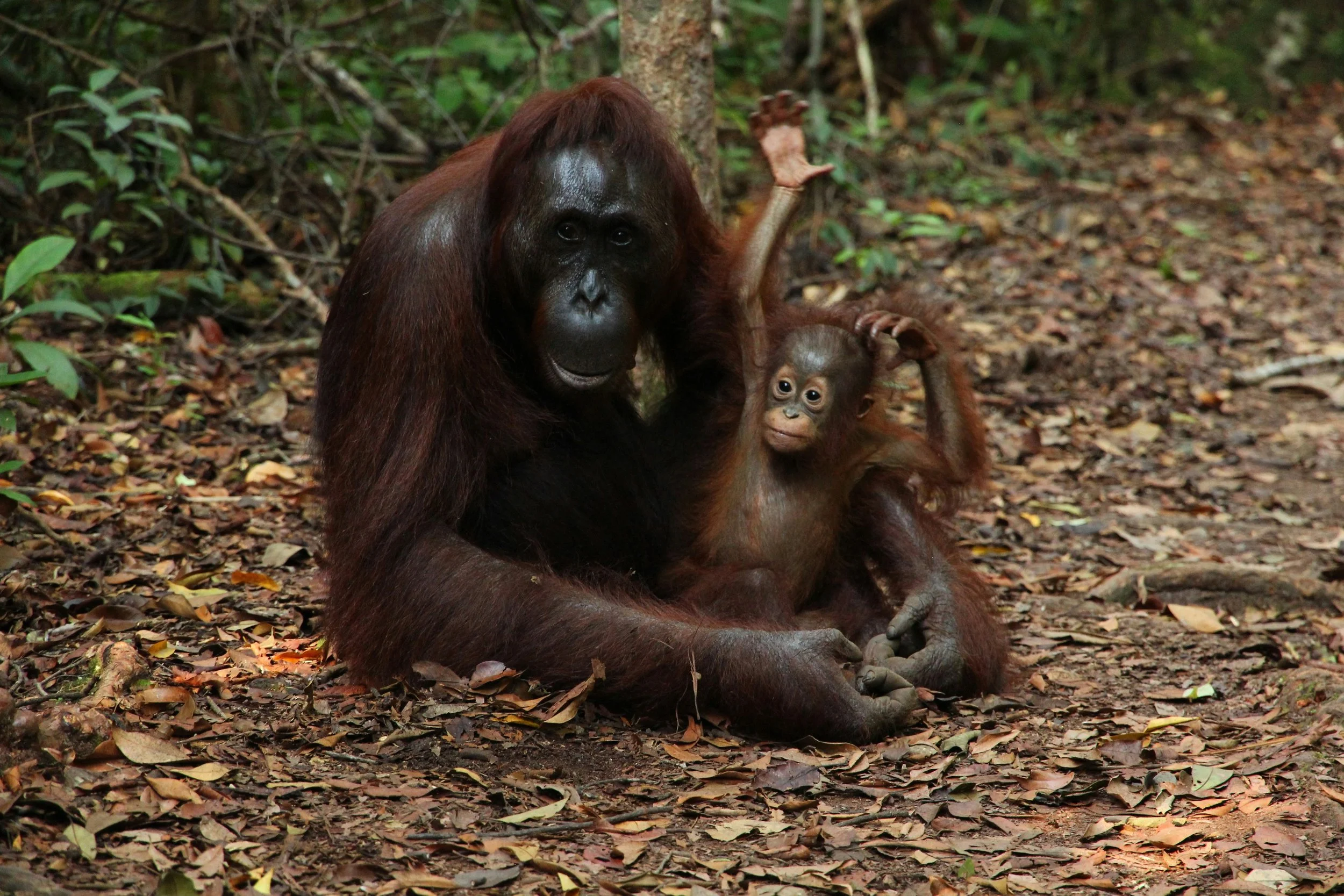
Borneo is one of the most important wildlife destinations in Asia, renowned for its ancient rainforests and rare endemic species. This vast island is home to some of the world’s oldest jungle ecosystems, supporting iconic wildlife such as orangutans, pygmy elephants, proboscis monkeys, clouded leopards, and an extraordinary diversity of birdlife. Protected areas in Sabah and Sarawak offer exceptional opportunities for guided wildlife encounters along rivers, in primary rainforest, and within conservation reserves. River safaris on the Kinabatangan, visits to rehabilitation centres, and stays in remote eco-lodges allow for intimate and responsible wildlife viewing. With its combination of biodiversity, conservation focus, luxury lodges and immersive rainforest experiences, Borneo is ideal for travellers seeking meaningful encounters with some of the planet’s most endangered species in a truly wild setting.
-
Galápagos Islands
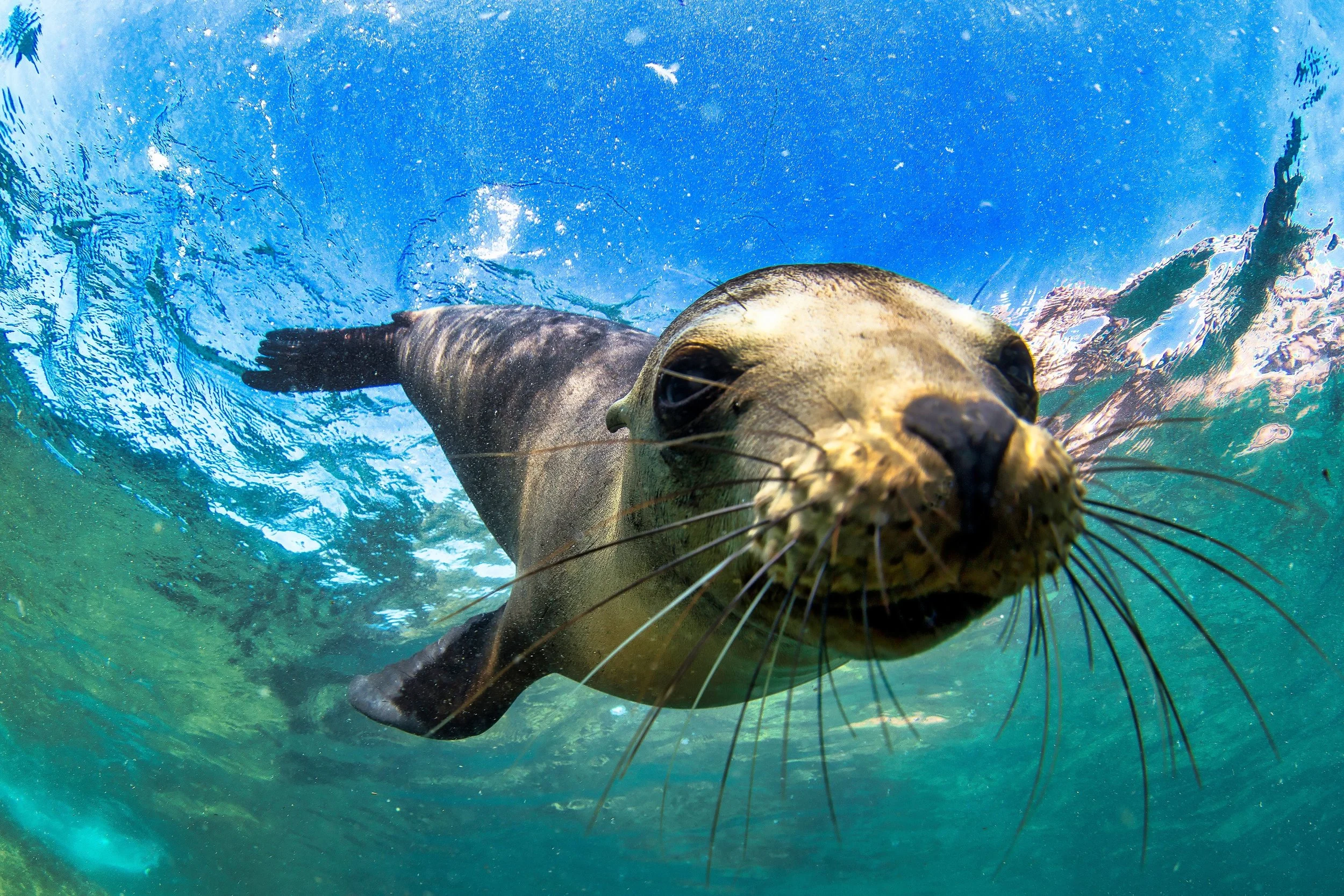
Located off the coast of Ecuador, The Galápagos Islands are one of the world’s most extraordinary wildlife destinations, offering rare and intimate encounters found nowhere else on earth. This remote archipelago is home to an exceptional concentration of endemic species, many of which inspired Charles Darwin’s theory of evolution. Wildlife is famously unafraid of humans, allowing close observation of giant tortoises, marine iguanas, blue-footed boobies, penguins, sea lions, and a rich variety of marine life including sharks, rays, and whales. Strict conservation controls and regulated visitor access ensure that wildlife encounters are both responsible and deeply rewarding. Exploring the islands by expedition vessel or luxury cruise, in eco-lodges or island stays, allows travellers to experience multiple ecosystems, from volcanic landscapes to coral reefs, in comfort. For those seeking educational, conservation-led wildlife travel with unparalleled access, the Galápagos offer a truly unmatched experience.
-
Canada
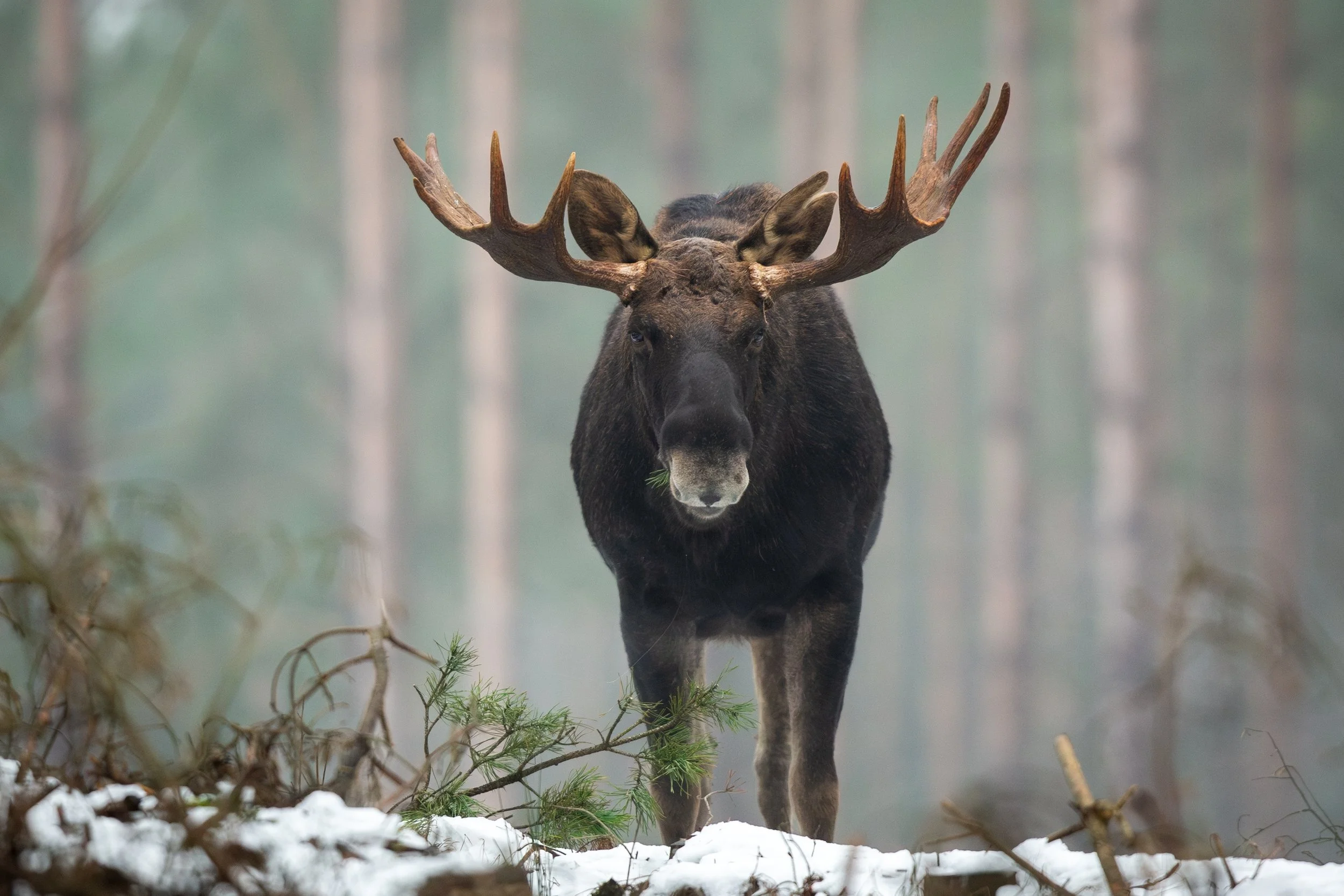
Defined by vast wilderness, low population density, and strong conservation values, Canada offers one of the most diverse wildlife travel experiences. From the Pacific coast to the Arctic tundra, its landscapes support an extraordinary range of species, including grizzly bears, polar bears, wolves, moose, caribou, and some of the planet’s richest marine life including orca and other whale species. Coastal regions such as British Columbia and the Great Bear Rainforest are renowned for whale watching and rare wildlife encounters, including the spirit bear, while Churchill, Manitoba is considered the global capital for polar bear viewing. In the north, witness migrating beluga whales and seasonal wildlife in pristine Arctic environments. Expert guides, wilderness lodges, and expedition-style journeys on both land and sea allow for responsible, immersive encounters across forests, mountains, coastlines, and ice-bound landscapes. For those seeking scale, variety, and meaningful wildlife encounters in untouched nature, Canada stands among the world’s premier destinations.
-
Amazon Rainforest
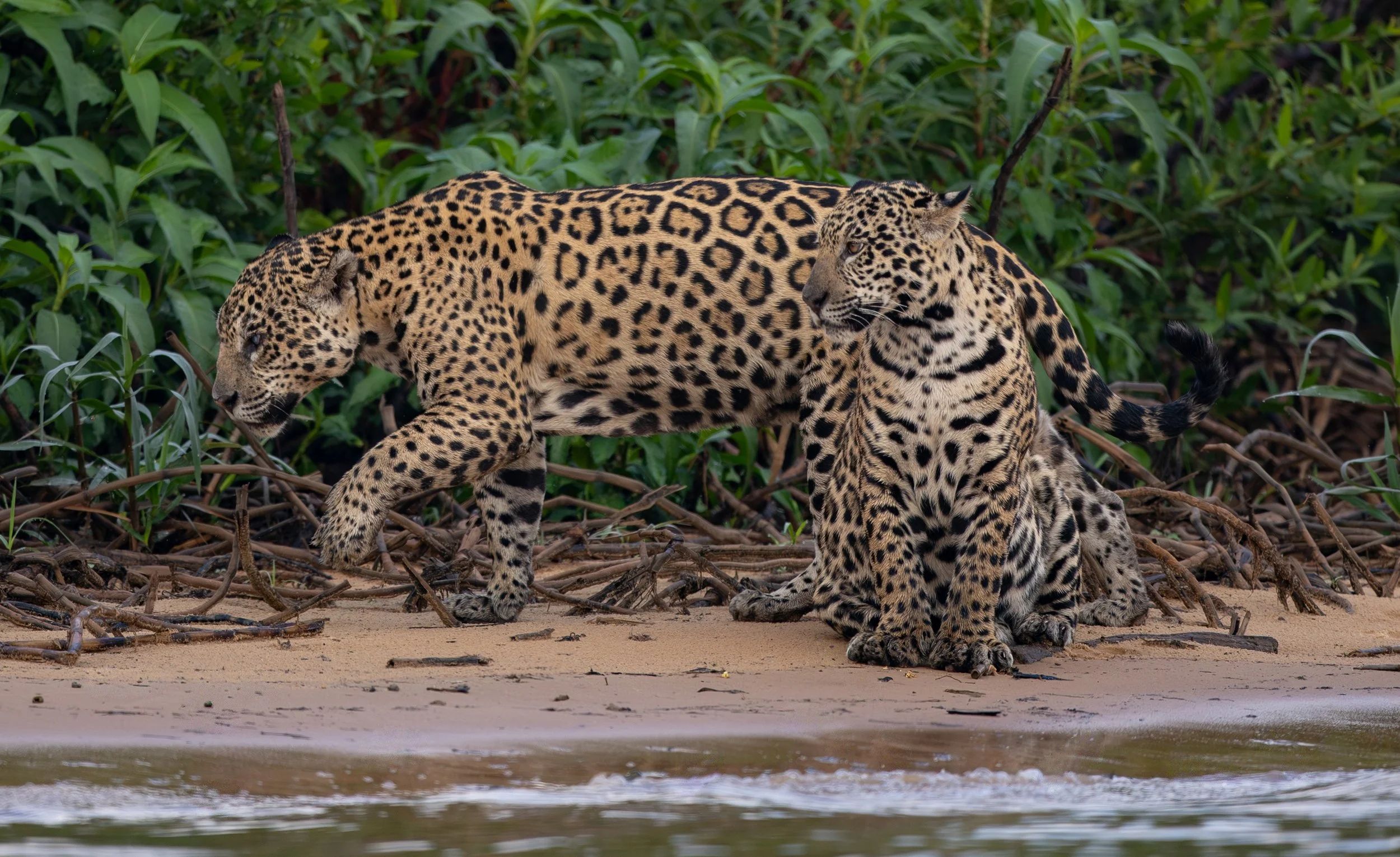
The Amazon is the most biologically diverse ecosystem on the planet, offering wildlife travel on a scale found nowhere else on earth. Spanning multiple countries in South America such as Brazil, Peru & Ecuador, this vast rainforest is home to an estimated 10 percent of all known species, including jaguars, pink river dolphins, giant otters, macaws, sloths, and countless reptiles, insects, and plant life. Exploring the Amazon by river and on foot with expert naturalist guides reveals a constantly shifting world of sound, colour, and movement. Wildlife encounters are complemented by insight into indigenous cultures and complex ecosystems that play a vital role in global climate balance. Carefully selected river vessels and jungle lodges allow explorers to experience this extraordinary environment in comfort while supporting conservation and community initiatives. For those seeking immersive, educational, and truly wild encounters, the Amazon delivers one of the most profound wildlife journeys on the planet.
-
The Arctic
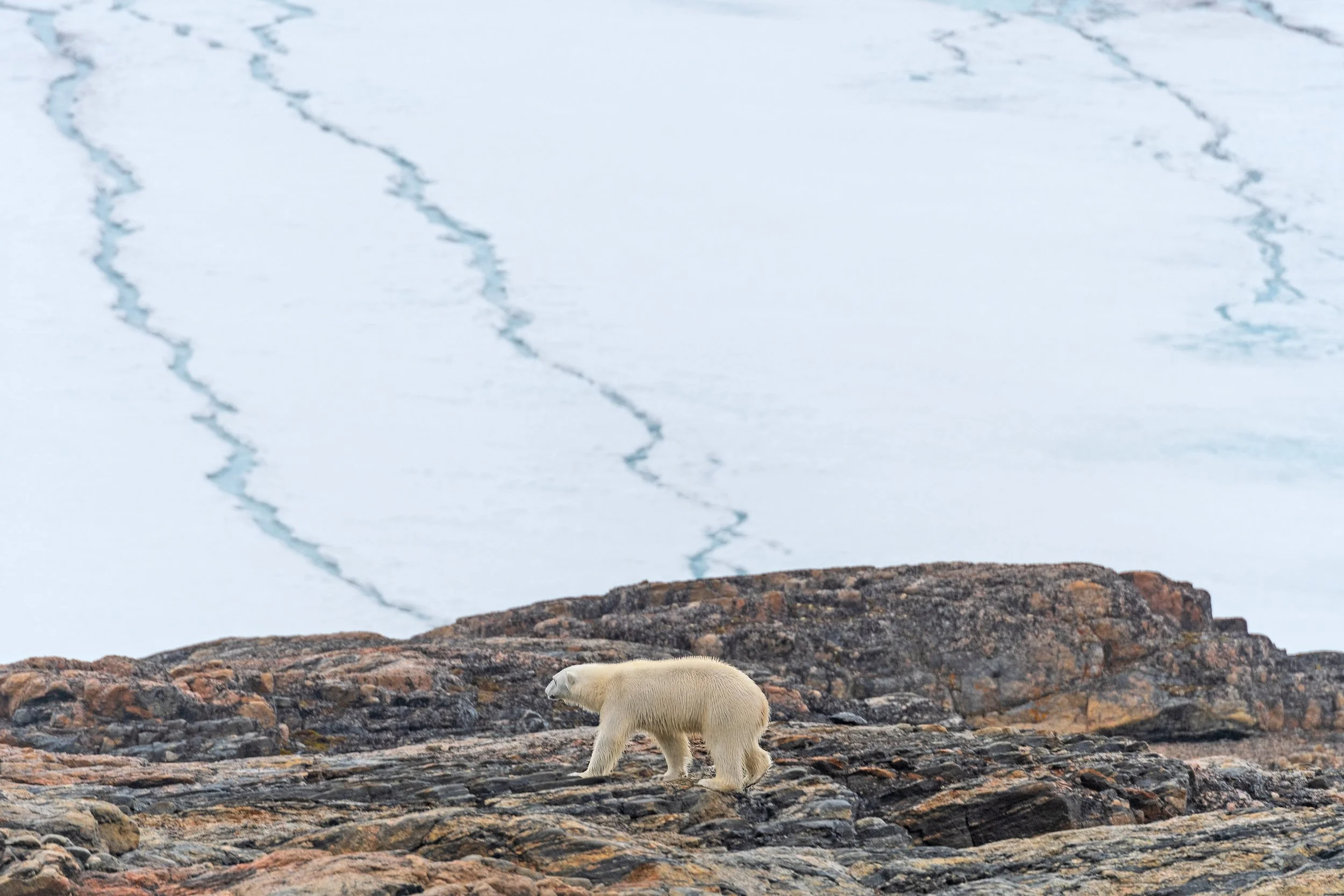
The Arctic offers one of the most remote and awe-inspiring wildlife travel experiences on earth, defined by vast ice-scapes, dramatic seascapes, and extraordinary seasonal life. In Svalbard, venture deep into polar wilderness to encounter polar bears, Arctic foxes, walrus, and seabirds, often from expedition ships navigating glaciers and ice-filled fjords. Alaska provides a different but equally powerful Arctic experience, where coastal waters and tundra support brown bears, wolves, moose, caribou, and some of the richest whale populations in the world. The long summer daylight fuels intense wildlife activity, while expert expedition leaders and naturalists ensure responsible and insightful encounters. Whether exploring by small ship, bush plane, or remote lodge, the Arctic delivers rare access to pristine environments and wildlife at the edge of the world, offering a profound sense of scale, solitude, and connection to nature.